

The journey of gambling charting its historical evolution through time
The Origins of Gambling
The journey of gambling traces back thousands of years, with evidence suggesting that the practice originated in ancient civilizations. Archaeological findings indicate that the earliest forms of gambling can be linked to the Chinese, where rudimentary games of chance using tiles were found dating back to 2300 BC. Meanwhile, in ancient Mesopotamia, dice made of various materials were used for games of luck, indicating that the desire to test one’s fate has been a universal aspect of human culture. Today, platforms like odinfortune casino showcase modern interpretations of these ancient practices, emphasizing the timeless appeal of games of chance.
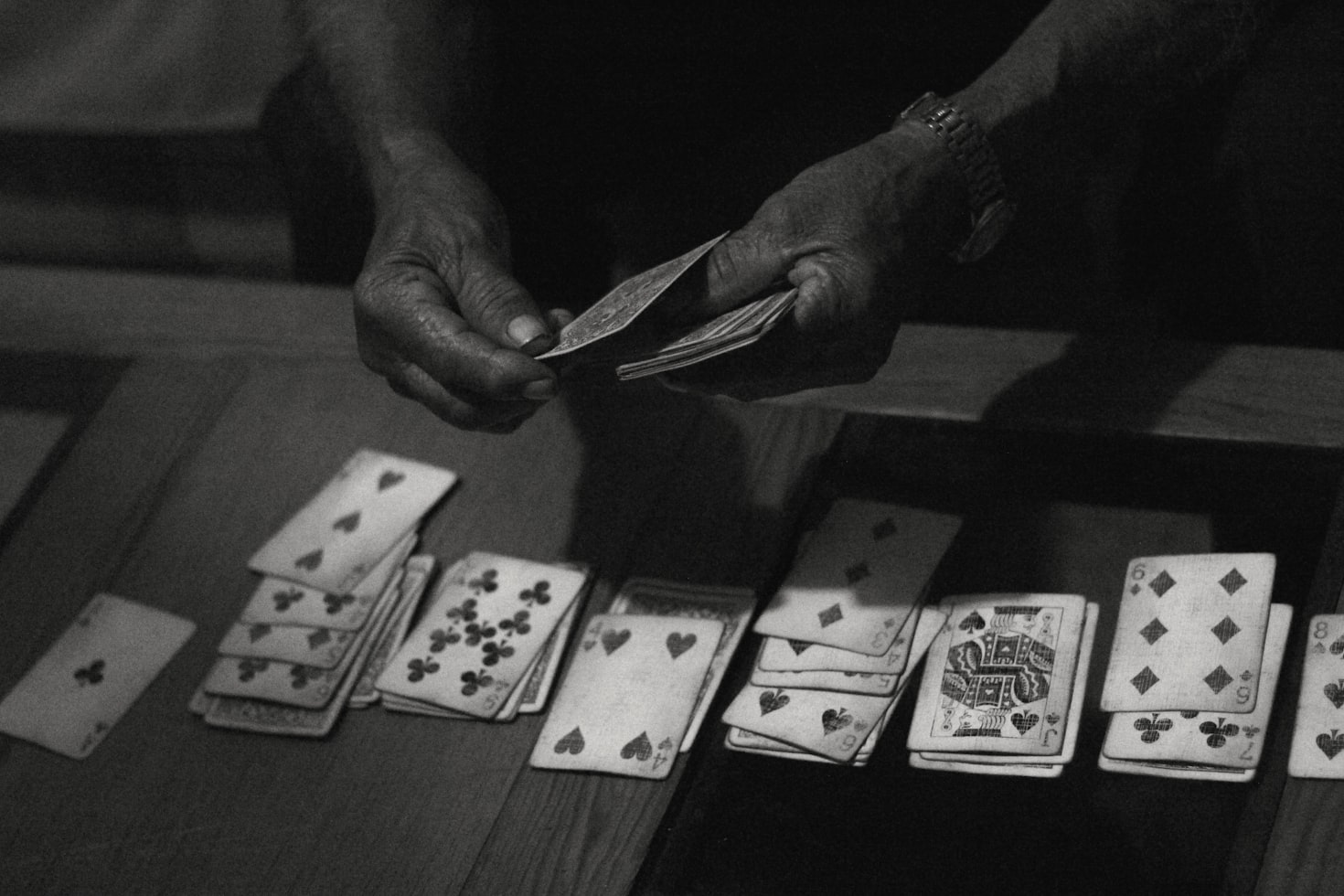
In addition to China and Mesopotamia, other cultures also contributed to the evolution of gambling. The Egyptians, for example, utilized knucklebones, which were integral to their games of chance. These early games not only served as entertainment but also played a significant role in social gatherings, further highlighting the communal aspect of gambling that remains prevalent today. From these early practices, gambling began to evolve, becoming more structured and organized.
The first documented instance of gambling can be traced to the Roman Empire, where betting on gladiatorial contests and chariot races became commonplace. These events were not merely games but spectacles that captivated the public’s imagination. Romans also developed sophisticated methods of gambling, creating rules and betting systems that laid the groundwork for future games, thus intertwining gambling with cultural practices and societal norms.
The Development of Gambling Throughout History
The Middle Ages marked a significant phase in the evolution of gambling, with many games gaining popularity across Europe. The introduction of playing cards in the 14th century heralded a new era, giving rise to games such as poker and blackjack. These card games became widely adopted, leading to the establishment of betting houses and gambling halls. This period saw gambling transitioning from informal gatherings to more organized venues, where the excitement of the game could be experienced in a social setting. Strategies for winning emerged as players sought to refine their skills in these increasingly competitive environments.
As the Renaissance unfolded, gambling continued to flourish, with cities like Venice becoming known for their vibrant gaming culture. The establishment of the first official lottery in the 16th century not only helped fund public projects but also showcased the increasing acceptance and regulation of gambling. This growth laid the groundwork for the modern gambling landscape, where a diverse range of games could be legally played and enjoyed.
The 19th century brought further transformation with the advent of casinos. The first official casino, the Casino di Venezia, opened its doors in 1638, but it was in the 1800s that casinos exploded in popularity, especially in places like Monte Carlo. These establishments catered to the elite and set standards for luxury and sophistication in gambling. The rise of slot machines in the late 19th century also added a new dimension to the gambling experience, making it accessible to a broader audience.
The Modern Era of Gambling
The 20th century witnessed dramatic changes in gambling practices, particularly with the advent of the Internet. Online gambling emerged in the mid-1990s, revolutionizing the industry. Players no longer needed to visit physical casinos; they could enjoy a variety of games from the comfort of their homes. This shift led to an explosion of online platforms offering everything from traditional casino games to sports betting, appealing to a diverse audience.
As technology advanced, so did the methods of gambling. The introduction of mobile applications made gambling even more accessible, enabling players to engage in real-time betting and gaming on-the-go. The convenience of smartphones ensured that the thrill of gambling was always within reach, leading to an unprecedented increase in participation rates. This digital transformation has not only diversified the types of games available but has also introduced innovative gambling strategies.
Furthermore, the rise of cryptocurrencies has impacted the gambling landscape by providing a new payment method. Many online casinos have begun accepting Bitcoin and other cryptocurrencies, attracting a tech-savvy demographic. This shift towards digital currency has transformed transactions, ensuring faster and more secure payments while maintaining anonymity, which is particularly appealing to many players concerned about privacy.
The Cultural Impact of Gambling
Gambling’s historical evolution has had a profound cultural impact across the globe. The integration of gambling into social and cultural events can be seen in various societies, where games of chance often accompany festivities and celebrations. These rituals have reinforced communal bonds and allowed for shared experiences, highlighting gambling’s role as more than just a means for financial gain.
Moreover, gambling has become a subject of fascination in literature, film, and art, illustrating society’s complex relationship with risk and chance. Classic novels and contemporary films often portray gambling as a metaphor for life’s uncertainties, drawing audiences into the dramatic narratives surrounding luck and fortune. This cultural representation has contributed to the allure of gambling, making it a timeless and universal theme in storytelling.
However, the evolution of gambling has also sparked important discussions regarding addiction and responsible gaming. As awareness of gambling-related issues has increased, many organizations and governments have begun implementing regulations and initiatives to promote responsible gambling. This duality illustrates the need for a balanced approach, recognizing both the enjoyment and potential risks associated with gambling.

The Future of Gambling
Looking ahead, the future of gambling appears bright and dynamic. With advancements in technology, particularly in virtual and augmented reality, the gambling experience is poised for even more innovation. Imagine immersing yourself in a 3D casino environment from your living room, where you can interact with dealers and other players in real time. This convergence of technology and gaming will redefine how individuals engage with gambling.
Additionally, the increasing acceptance of online and mobile gambling will likely lead to further regulatory changes worldwide. As more jurisdictions recognize the benefits of regulated gambling, we can expect to see a more unified global approach that promotes safe gambling practices. This evolution will not only enhance player protection but also help to eliminate illegal gambling operations that pose significant risks.
As the industry adapts to new technologies and consumer preferences, online gaming platforms like Odin Fortune Casino are already leading the charge. By offering a diverse range of games, including slots and live dealer experiences, these platforms cater to both casual and serious players, ensuring that the tradition of gambling continues to thrive while evolving to meet modern needs.